Ernst Barlach | Käthe Kollwitz
Beyond the Borders of Existence
The Industrial Revolution brought enormous changes to economic, political and social conditions. Technical and scientific inventions and the associated processes of transformation led Europe into a new era. At that time, the world seemed to be falling apart. Everywhere, artists and writers were working to capture the extraordinary in words and images to give people a new home in this era. ‘God is dead,’ Nietzsche proclaimed in 1882, and a centuries-old worldview that had provided orientation collapsed. Now new values and goals had to be defined, which neither Ernst Barlach (1870-1938) nor Käthe Kollwitz (1867-1945) could find in the mindless attributes of progress: ‘bigger, faster, better and more’. On the contrary. Early on, both conceived their artistic work in opposition to a reality they perceived as cold, characterised by materialism and rationalism.
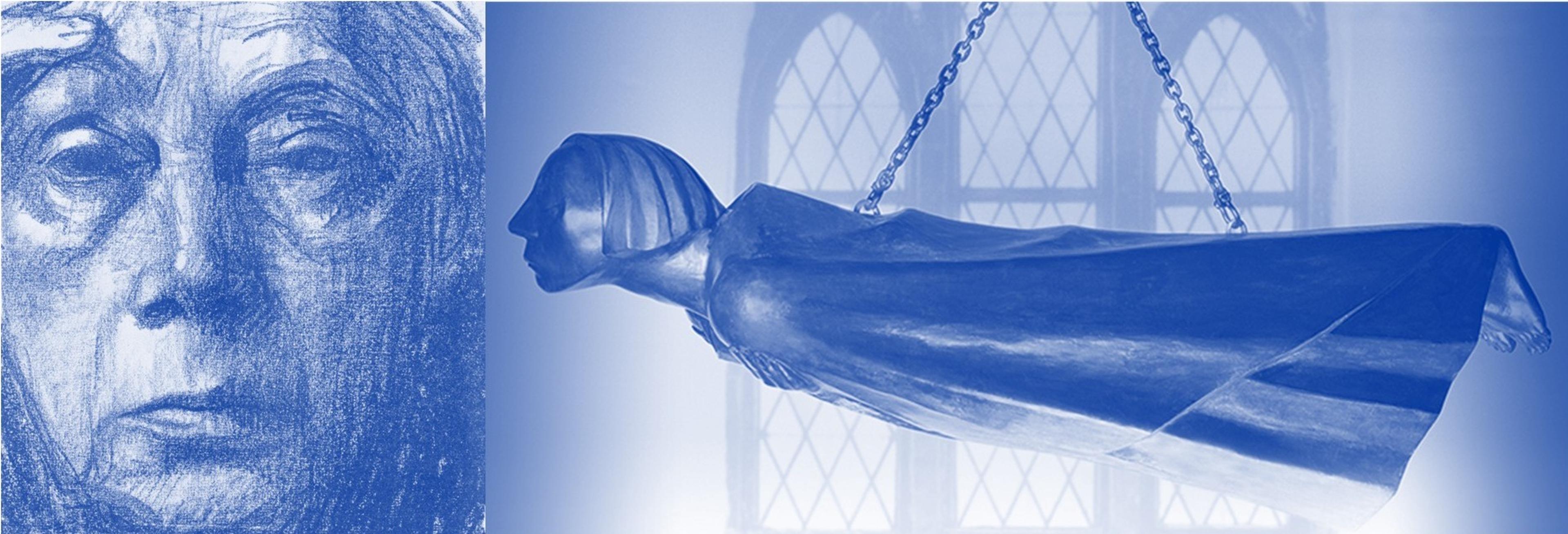
The ‘new man,’ the ‘new world,’ and the ‘new era’ were leitmotifs that accompanied the transition from the 19th to the 20th century in literature and art, and in particular the Expressionist generation in Germany. Both Ernst Barlach and Käthe Kollwitz were solitary figures in the art scene of that time. Käthe Kollwitz placed her art at the service of a concrete social responsibility very early on. At the centre of her artistic work are those people who live in the shadow of progress in the poorest conditions and struggle daily for their existence.
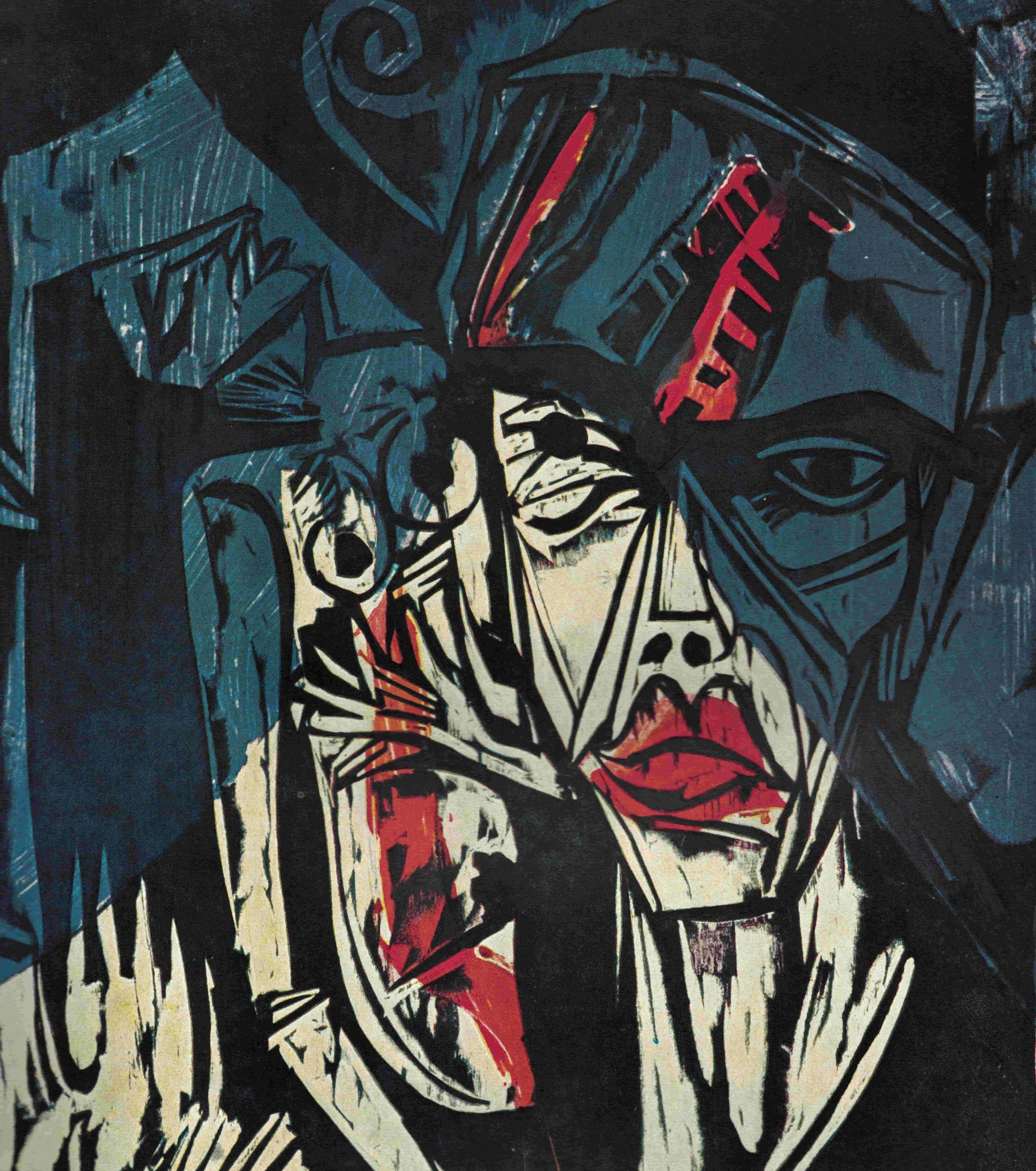
While Käthe Kollwitz's work focuses on a committed, concrete view of social conditions in this world, Ernst Barlach can be aptly described as a mystic of modernity. Apart from his early work, he was never concerned with the naturalistic depiction of reality. His images of humans bear few individual characteristics. They embody general states of being and are an expression of spiritual orientation that transcends the state of the world. In Barlach's work, however, the criticism of materialism in modern world is so prominent that his position as a socially engaged artist of classical modern is beyond question.
While Käthe Kollwitz's work appears at first glance to be vehemently determined by the depiction of the limits of existence, Ernst Barlach's figures visualise the desire to transcend those limits. However, both saw the task of their art in changing the world from a deeply humanistic perspective. Warning against war and committing themselves to peace remains their legacy to this day.